
Running a retail shop in Delhi can be busy from morning until closing time. Customers want quick service, employees need simple tools, and the owner has to keep an eye on sales, stock, payments, and invoices. When these tasks are managed manually, even a normal business day can become tiring.
This is why Billing Software for Retail in Delhi is becoming an important part of modern store management. Instead of depending on calculators, notebooks, and separate spreadsheets, retailers can bring billing and related activities into one organized system.
Imagine a customer entering your shop during the evening rush. They have several products in their basket, and another customer is already waiting at the counter. You need to find each product, check its price, calculate taxes or discounts, accept payment, and provide a bill. A good digital system can make this process faster and more consistent.
For Delhi retailers, the need can be even more noticeable because stores operate in very different environments. A neighborhood shop, fashion outlet, electronics store, supermarket, or specialty retailer may have completely different workflows.
The right solution should therefore be easy to understand and practical for everyday use. In this guide, we will look at how modern retail billing can improve checkout speed, inventory control, GST invoicing, payment tracking, and business reporting.
Billing Software for Small Business: A Simple Way to Organize Daily Sales
Small retailers often start with simple methods. A calculator, notebook, or spreadsheet may be enough when there are only a few products and transactions. But as customer numbers increase, manual processes can take more time and create more opportunities for mistakes.
For this reason, Billing Software for Small Business can be useful even for a single-store retailer. The purpose is not to make a small business complicated. The purpose is to make repetitive work simpler.
With suitable billing software, product information can be stored digitally, invoices can be generated more quickly, and payment information can be recorded in a structured way. This also makes it easier to look back at previous transactions.
Think about a Delhi grocery shop that serves dozens of customers every day. If every product price is typed manually, the employee has to remember or check each price. With product records and barcode support, the checkout process can become much smoother.
A practical setup can follow these steps:
- Add products with their names, prices, and applicable tax details.
- Enter opening stock accurately.
- Configure the preferred invoice format.
- Add payment methods used by the store.
- Train employees on product search and billing.
- Test several real transactions.
- Check sales and inventory records after billing.
- Review daily reports regularly.
The simpler this workflow is, the easier it becomes for employees to use the system confidently.
Billing software for retail: Creating a Faster Checkout Experience
Customers generally do not want to wait several minutes just to receive a bill. During busy hours, slow checkout can create long queues and put unnecessary pressure on employees. Billing software for retail can help reduce these delays by connecting product selection, pricing, taxation, and payment recording.
Barcode scanning is one useful feature for stores with many products. Instead of typing a product name and price, the employee can scan its barcode and add it to the invoice. Product search can also be useful when an item does not have a barcode.
Payment flexibility is another important consideration. Delhi customers may use cash, UPI, cards, or other available payment methods. A proper billing workflow should allow the transaction to be recorded clearly regardless of the chosen payment method.
A typical checkout can work like this:
- Search or scan the product.
- Confirm quantity.
- Verify price.
- Apply an approved discount if required.
- Calculate applicable taxes.
- Select the payment method.
- Generate the invoice.
- Print or share the bill digitally.
When these steps are handled through one system, employees do not need to switch between multiple tools.
This can also improve the customer experience. A clear invoice gives customers confidence that their purchase has been recorded properly.
Best Pos Billing Retail Software: Features Delhi Retailers Should Evaluate
When searching for the Best Pos Billing Retail Software, we should avoid choosing a platform simply because it has a long feature list. A better approach is to understand our actual store requirements first.
For example, a small clothing shop may need product variants, discounts, inventory tracking, and customer information. A supermarket may require barcode-heavy checkout and high-volume transactions. A growing retailer with multiple locations may need centralized inventory and branch reporting.
The best system for one business may not be the best system for another.
Before selecting a POS solution, I recommend testing the complete billing journey. Add several products, change quantities, apply a discount, select different payment methods, and generate an invoice. Then check whether the sales and inventory records have been updated correctly.
Important capabilities can include:
- Fast POS checkout.
- Barcode scanning.
- Product search.
- GST-ready invoicing.
- Inventory management.
- Payment tracking.
- Customer records.
- Sales and purchase reports.
- Digital invoice sharing.
- Multi-branch functionality where required.
Ease of use should remain a priority. If employees need extensive training for basic billing, the software may not be suitable for a busy retail environment.
Billing Software For Retail Shop: Connect Billing With Inventory Management
One common retail problem is the difference between recorded stock and actual stock. A product may have been sold but not removed from the stock record. Later, the owner may believe that the item is available when it has already been purchased by another customer.
A suitable Billing Software For Retail Shop can help connect sales and inventory. When a product is billed, its stock quantity can be updated according to the system's configuration.
Consider a Delhi electronics store selling headphones, mobile accessories, speakers, and chargers. If ten units of a popular charger are available and six are sold, the owner needs an accurate view of the remaining stock. Better inventory visibility can make purchasing decisions easier.
A basic inventory process can include:
- Create accurate product records.
- Enter opening quantities.
- Record incoming purchases.
- Bill products through the POS.
- Update stock after sales.
- Monitor low-stock items.
- Review slow-moving products.
- Reorder according to actual demand.
This helps reduce unnecessary purchasing and makes it easier to identify products that require attention.
How Billing Software for Retail in Delhi Supports GST and Business Records
For many retailers, billing is closely connected with GST compliance and financial record keeping. A retailer should maintain accurate transaction information and use invoices appropriate to their business and tax requirements.
Billing Software for Retail in Delhi can make the process more organized by keeping invoice information within a digital system. Depending on the software, features may include GST invoice creation, tax calculations, HSN information, and business reports.
However, software should not replace professional tax advice. Your GST treatment depends on your business circumstances, so you should confirm specific compliance requirements with a qualified tax professional when necessary.
Beyond GST, organized records can help with everyday business decisions. Sales reports can show which products are performing well. Payment information can help identify outstanding amounts. Inventory reports can help determine what needs to be purchased.
This creates a useful connection:
Sale → Invoice → Payment Record → Inventory Update → Business Report
When these activities are connected, the owner gets a clearer picture of the business.
How to Choose the Right Retail Billing System in Delhi
Choosing software should be treated as a business decision rather than simply a technology purchase. First, identify your biggest problems. Are you facing slow billing? Incorrect stock? Difficult payment tracking? Too much paperwork? Poor visibility across branches?
Once you know the problem, compare solutions based on how well they solve it.
You should also consider the number of products, daily transactions, number of employees, number of branches, preferred payment methods, GST requirements, and reporting needs.
Before implementation, test the software with realistic examples from your store. Ask employees to use it as they would during a busy working day. Their feedback can reveal usability problems that may not be obvious during a simple demonstration.
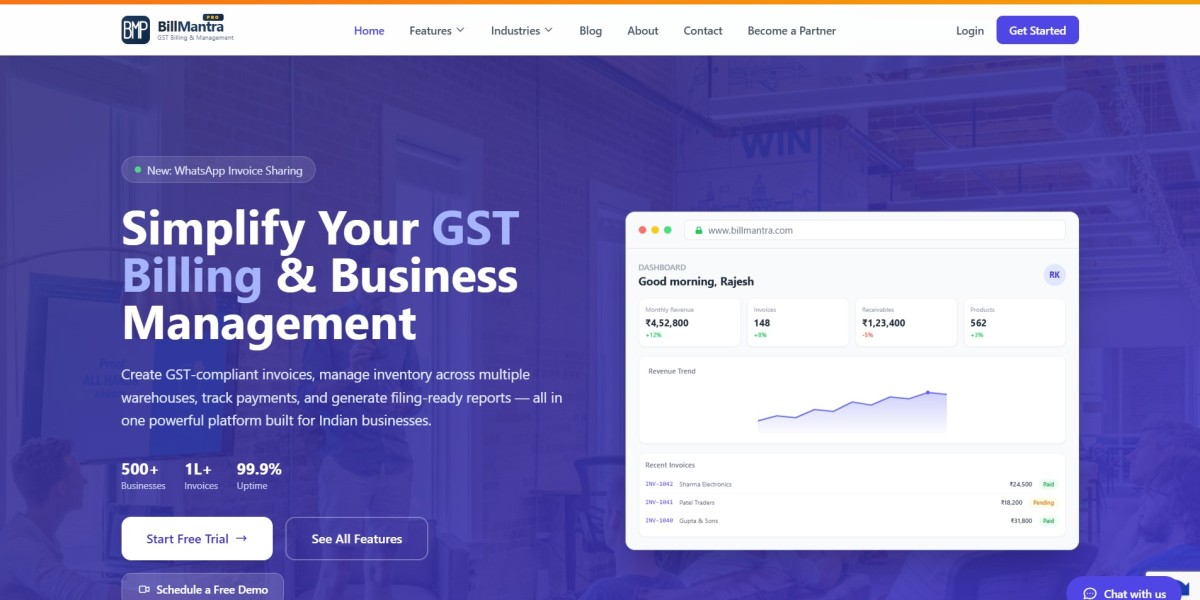
For retailers exploring an integrated platform, BillMantra is one option that can be evaluated for billing, POS, GST invoicing, inventory, barcode workflows, payment tracking, and business reporting.
The final decision should always be based on your own requirements, budget, workflow, and the features currently offered by the software.
Conclusion: Make Retail Billing Faster and Easier in Delhi
Retailers have enough responsibilities without spending unnecessary hours on manual billing and paperwork. A well-designed digital system can help make everyday store operations more organized.
The right Billing Software for Retail in Delhi can support faster checkout, better inventory visibility, organized payment records, GST invoicing, and useful business reports. It can also help employees work with greater confidence during busy periods.
Whether you run a small neighborhood shop or a growing retail operation, start by identifying your daily challenges. Test the software with real transactions, check the features that matter to your business, and make sure your employees can use it comfortably.
When your billing process becomes simpler, you get more time to focus on what matters most—your customers and the growth of your retail business.
Frequently Asked Questions
1. What is Billing Software for Retail in Delhi?
Billing Software for Retail in Delhi is a digital solution that helps retailers create invoices, record sales, manage products, track payments, and maintain business records. Depending on the software, it may also support GST invoicing, barcode scanning, POS billing, and inventory management.
2. Is billing software useful for a small Delhi shop?
Yes. Billing Software for Small Business can reduce manual calculations and make sales records easier to maintain. It can be useful for grocery stores, clothing shops, electronics retailers, pharmacies, and other small businesses.
3. Can retail billing software manage inventory?
Many modern systems connect sales with inventory. When a product is sold, its available quantity can be updated. This can help retailers monitor stock levels and identify products that need replenishment.
4. What features should I look for in POS billing software?
Look for fast checkout, barcode scanning, product search, GST invoicing, inventory management, payment tracking, reports, customer management, digital invoice sharing, security, and ease of use. Select features according to your actual business needs.
5. Can billing software help improve customer service?
Yes. Faster product searches, barcode scanning, quick invoice generation, and multiple payment options can reduce waiting time. Clear digital or printed invoices can also create a more professional checkout experience for customers.