
Safety Standards and Compliant Playground Design
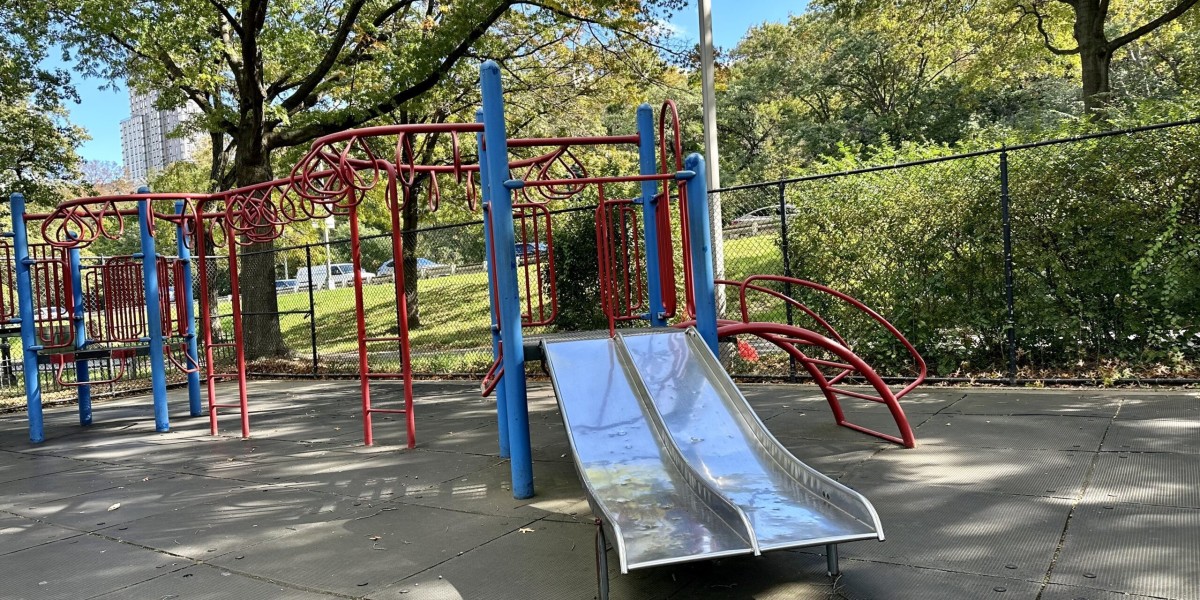
Designing a vibrant outdoor recreational space requires balancing safety, durability, and imaginative play value. When communities and organizations invest in new riverside park playground equipment, they are doing far more than installing slides and swing sets—they are creating active social hubs where children build essential physical, social, and cognitive skills.
Whether you are managing an elementary school modernization, upgrading an HOA amenity, or designing a municipal park, choosing the right commercial playground equipment is a long-term capital investment. From compliance with national safety guidelines to integrating climate-resilient materials, a successful playspace relies on thoughtful planning, expert design, and professional installation.
Safety is the non-negotiable cornerstone of every commercial play environment. High-use play structures must meet rigorous federal and national engineering benchmarks to ensure children can push their physical boundaries without unnecessary risk.
Adhering to ASTM, CPSC, and ADA Guidelines
Commercial-grade equipment must be engineered and manufactured to meet strict safety specifications. Key industry standards include:
CPSC Publication 325: The U.S. Consumer Product Safety Commission’s guidelines detailing proper layout density, fall zones, and hazard prevention (such as crush points or head entrapment).
ASTM F1487-11: Performance criteria established by the American Society for Testing and Materials covering hardware load limits, structural integrity, and material durability.
Federal ADA Guidelines: Enforced by the Access Board, these standards require accessible routes, ground-level play components, and elevated accessible play equipment for children of all physical abilities.
Impact-Attenuating Safety Surfacing Options
Over 70% of playground injuries occur due to falls to the ground. Installing resilient, high-performance safety surfacing is essential for absorbing impact and mitigating injury.
Surfacing Material | Maintenance Level | ADA Accessibility | Best Suited For |
Poured-in-Place (PIP) Rubber | Low | High (Seamless) | High-traffic urban parks, schools |
Rubber Tiles | Low to Moderate | High | Urban spaces, rooftop play areas |
Engineered Wood Fiber (EWF) | High (Regular topping) | Moderate | Budget-conscious HOAs, churches |
Playground Sand & Shredded Rubber | Moderate | Low to Moderate | Pocket parks, residential HOAs |
2. Versatile Applications: Serving Diverse Community Needs
Commercial play spaces serve widely varying demographics depending on where they are installed. Tailoring equipment selection to specific organizational goals ensures the site delivers maximum value to its users.
Educational and Childcare Settings (Schools & Kindergartens)
Elementary schools and early childhood centers require equipment built specifically for distinct developmental stages. Play structures for ages 2–5 focus on fundamental motor coordination, balance beams, low-to-ground slides, and sensory activity panels. For ages 5–12, designs incorporate high-capacity climbing structures, dynamic overhead link ladders, and rope bridges that build upper-body strength, spatial awareness, and agility.
Community Spaces (Parks, HOAs, Apartments, and Churches)
Multi-family housing communities, churches, and public parks often require multi-generational amenities. In addition to traditional play structures, these locations benefit from:
Shade Structures and Sails: Protecting children from harsh UV rays while keeping surface equipment cool during summer months.
Site Amenities & Furnishings: Benches, trash receptacles, bike racks, and picnic tables that allow parents, guardians, and community members to comfortably gather.
Outdoor Fitness Equipment: Adult workout stations integrated adjacent to play zones to promote community-wide health and wellness.
3. Innovative Play Elements: Beyond Traditional Structures
Modern playground design has evolved far beyond standard swing sets and plastic slides. Today's commercial playspaces integrate dynamic physical challenges that encourage imaginative and cooperative play.
Rope Play and Climbing Boulders
Freestanding rope structures and realistic climbing boulders add a modern aesthetic while delivering intense physical engagement. Net climbers challenge balance, core strength, and problem-solving, allowing children to navigate paths at their own comfort level. Synthetic climbing boulders blend into natural landscapes while introducing adventure-style play.
Inclusive and Sensory-Rich Play Modules
Inclusive play means designing space where children of all abilities play side-by-side. High-value inclusive features include:
Sensory Panels: Tactile, auditory, and visual interaction boards that support cognitive growth and engage neurodivergent children.
Adaptive Swings & Wheelchair Motion: High-backed support swings and flush-mounted rotary spinners that accommodate mobility devices.
Quiet Spaces: Integrated shade areas or cozy alcoves where children can decompress if they experience sensory overload.
4. Sustainability, Local Manufacturing, and Financial Efficiency
Managing capital investments requires balancing upfront costs with long-term durability and operational efficiency. Sourcing quality equipment from West Coast manufacturers provides distinct economic and environmental advantages.
Reduced Freight Rates and Environmental Benefits
Selecting equipment manufactured locally on the West Coast significantly reduces transit distances. Shorter freight routes lead to lower shipping charges, reduced fossil fuel consumption, and faster delivery timelines—getting your community playground built on schedule and within budget.
Price Match Guarantees and Project Value
When evaluating competitive proposals, working with a full-service supplier that offers a Price Match Guarantee ensures you never have to sacrifice material quality for cost efficiency. Comparing equal designs allows project coordinators to secure commercial-grade steel posts, high-density polyethylene (HDPE) plastics, and durable powder-coat finishes at the most competitive price point.
5. The Turnkey Design-Build Process
Building a commercial playground involves multiple complex phases, from initial site preparation to final safety inspections. Partnering with a dedicated turnkey playground contractor simplifies the process from start to finish.
Consultation, Evaluation, and Custom 3D Design
The process begins with a comprehensive, no-obligation site evaluation. Playground experts assess property topography, soil conditions, drainage, sun orientation, and accessibility routes. Using these insights, designers create custom 3D color renderings, allowing key stakeholders—such as school boards, park directors, or HOA committees—to visualize the completed project before manufacturing begins.
Single-Source Project Management and Installation
A turnkey partner coordinates every construction detail, eliminating the friction of managing multiple subcontractors. Professional teams oversee:
Site demolition and grading
Concrete footer excavation and pouring
Equipment assembly and structural anchoring
Safety surfacing installation (poured-in-place rubber, tiles, or engineered wood fiber)
Shade sail and site amenity integration
Transform Your Community Play Area Today
Investing in commercial playground equipment is a long-term commitment to community well-being, physical health, and safe outdoor fun. By prioritizing ADA accessibility, CPSC/ASTM safety compliance, durable materials, and turnkey installation, you can build an inspiring playspace that serves children and families for decades to come.