
The Comprehensive Guide to Professional Bumper Repair: Restoring Safety and Aesthetics
Whether it’s a rogue shopping cart in a crowded grocery store lot, a minor fender bender during your daily commute, or an unavoidable encounter with road debris, bumper damage is one of the most inevitable aspects of vehicle ownership. While a scraped, cracked, or dented bumper might initially seem like a mere cosmetic annoyance, ignoring it can severely compromise your vehicle's safety, underlying structural integrity, and long-term resale value. Finding a highly rated, professional bumper repair service near me is the crucial first step toward restoring your car to its pre-accident condition and ensuring it continues to protect you and your passengers on the road. Navigating the world of auto collision repair can feel overwhelming, but understanding the intricacies of modern bumpers, the types of damage they sustain, and the professional repair process will empower you to make the best decisions for your vehicle.
Understanding the Anatomy and Importance of Your Car’s Bumper
In the early days of automotive design, bumpers were heavy, exposed chrome-plated steel bars bolted directly to the vehicle's frame. Today, automotive engineering has drastically evolved. The seamless, painted surface you see on the front and rear of your vehicle is just the outer shell of a highly engineered safety system.
The Hidden Structural Integrity
Modern vehicle bumpers are complex, multi-layered assemblies designed to absorb kinetic energy and minimize the impact force transferred to the vehicle's cabin. The visible, painted portion is known as the bumper cover or fascia, typically manufactured from flexible, impact-resistant plastics like polyurethane or thermoplastic polyolefins (TPO).
Beneath this cosmetic cover lies the true safety mechanism: a shock-absorbing foam core or crushable plastic honeycomb, followed by a high-strength steel or aluminum impact bar. When your vehicle sustains a low-speed impact, these underlying components are designed to crush and absorb the energy. Therefore, what appears to be a superficial scratch on the bumper cover may actually conceal a fractured impact bar or compressed foam absorber, compromising the vehicle's ability to protect you in a subsequent collision.
Safety Sensors and Advanced Driver Assistance Systems (ADAS)
Beyond structural protection, modern bumpers function as the nervous system for your vehicle's Advanced Driver Assistance Systems (ADAS). Your front and rear bumpers house an array of ultrasonic sensors, radar units, and sometimes cameras. These components dictate the functionality of your parking assist, blind-spot monitoring, rear cross-traffic alert, and adaptive cruise control.
Even a minor distortion or dent in the bumper cover can alter the trajectory of these sensors by a fraction of a millimeter. This slight misalignment is enough to cause blind-spot monitors to fail or emergency braking systems to trigger at the wrong moment. Professional repair facilities understand that bumper repair is no longer just about paint and plastic; it involves strict diagnostic testing and precise sensor recalibration.
Common Types of Bumper Damage and How They Occur
Because bumpers are positioned at the absolute extremities of your vehicle, they bear the brunt of everyday hazards. Categorizing the type of damage dictates the exact repair methodology a collision center will utilize.
Scratches, Scuffs, and Paint Transfer
Scratches and scuffs are the most frequent type of bumper damage, often resulting from brushing against a painted post, a high curb, or another vehicle in tight parking quarters. The severity depends on how deep the abrasion goes.
A paint transfer occurs when material from another object sits on top of your bumper's clear coat. This can often be professionally polished away. However, if the scratch penetrates the clear coat, breaches the base color, and exposes the black or gray plastic substrate beneath, the panel will require professional sanding, priming, and a complete refinishing process to restore the factory appearance.
Dents and Creases from Low-Speed Impacts
Unlike the metal panels on your car's doors or hood, plastic bumper covers possess a physical property known as "plastic memory." When struck at a low speed, the plastic may cave inward, creating a large, unsightly dent.
Because the material is somewhat pliable, especially when subjected to controlled heat, professional technicians can often reshape the deformed plastic. However, sharp creases where the plastic has been pushed past its tensile limits are more complex. If the plastic has been stretched too far, the structural integrity is lost, and the bumper cover may require complete replacement.
Cracks, Punctures, and Structural Tears
Backing into a trailer hitch, striking road debris at highway speeds, or enduring a harder collision can cause the plastic fascia to crack, puncture, or tear. In the past, a torn bumper meant an automatic replacement. Today, advanced repair technologies exist. Using specialized dual-component structural adhesives and precision plastic welding techniques, certified technicians can often stitch the plastic back together, creating a bond that is just as strong—if not stronger—than the original material.
The Professional Bumper Repair Process Explained
Restoring a damaged bumper to showroom condition requires a meticulous, multi-step process that blends structural engineering with automotive artistry.
Comprehensive Teardown and Damage Assessment
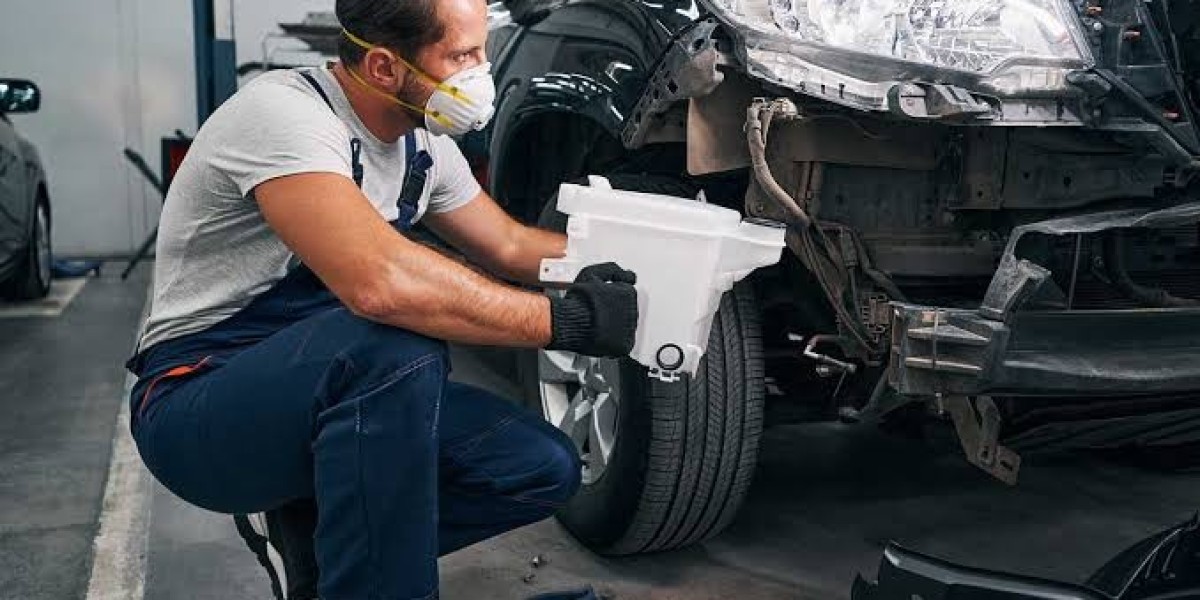
The repair process always begins with a thorough diagnostic teardown. A reputable auto body shop will completely remove the bumper cover from the vehicle. This step is non-negotiable, as it allows technicians to inspect the hidden mounting tabs, the energy absorber, and the impact bar for concealed damage. During this phase, the vehicle is often scanned using specialized diagnostic software to identify any diagnostic trouble codes (DTCs) triggered by disrupted ADAS sensors.
Precision Reshaping and Material Repair
Once the underlying structure is deemed safe or replaced, attention turns to the bumper cover itself. If there is a dent, technicians apply controlled, even heat to soften the plastic, gently massaging the material back into its original mold. For cracks and deep gouges, the area is meticulously sanded to create a V-groove. Technicians then apply industrial-grade epoxy fillers or utilize nitrogen plastic welding. The repaired area is block-sanded multiple times, moving through progressively finer grits of sandpaper to ensure a perfectly contoured, smooth surface that seamlessly matches the rest of the panel.
Advanced Color Matching and Seamless Refinishing
The final and most critical visual step is the painting process. Factory paint colors degrade and fade over time due to UV exposure, meaning simply spraying the manufacturer’s original color code will often result in a mismatched bumper.
Premium auto body shops utilize computerized spectrophotometers to scan the adjacent panels of your vehicle. This technology formulates a custom paint mixture that matches the exact current hue of your car. The bumper is placed in a climate-controlled downdraft paint booth where technicians apply adhesion promoters, primer, the custom-matched base coat, and a durable urethane clear coat. The new paint is often "blended" into the adjacent fenders or quarter panels to trick the human eye, ensuring the transition between the repaired bumper and the rest of the car is completely undetectable.
Why Choose a Certified Collision Center Over DIY Methods
In the age of online video tutorials, many vehicle owners are tempted to attempt at-home bumper repairs using boiling water, plungers, or spray cans from the local auto parts store. While these methods might seem cost-effective, they frequently result in further damage.
The Hidden Risks of At-Home Bumper Fixes
Attempting to push out a dent with a plunger or extreme heat can warp the plastic permanently, destroying its structural lines and necessitating a full bumper replacement. Furthermore, DIY paint jobs are notoriously obvious. Aerosol touch-up cans lack the catalyzed hardeners used in professional clear coats, meaning the DIY paint will quickly fade, peel, and flake off after a few months of exposure to the elements and car washes. More importantly, DIY repairs completely bypass the inspection of the underlying crush zones and safety sensors, putting you at severe risk in a future accident.
The Value of I-CAR Gold Certified Technicians
To guarantee your vehicle is repaired to original manufacturer specifications, you must rely on certified professionals. The automotive repair industry's highest standard is the I-CAR Gold Class certification. Technicians who hold this certification undergo continuous, rigorous training on the latest vehicle materials, advanced welding techniques, and computer diagnostics. Trusting an I-CAR certified technician ensures that your bumper is not only aesthetically flawless but functionally safe and structurally sound.
What to Look For in a Premier Auto Body Facility
Not all collision centers are created equal. When searching for the right shop to handle your bumper repair, evaluating their operational standards and facility capabilities is critical to a stress-free experience.
State-of-the-Art Equipment and Diagnostic Tools
A premier collision center invests heavily in its infrastructure. Look for facilities operating in expansive, clean environments—some top-tier shops boast up to 50,000 square feet of dedicated workspace. These facilities utilize industry-leading equipment, such as Car-O-Liner computerized frame alignment systems for structural damage, and have on-site ASE Certified mechanics to handle any mechanical issues that occurred simultaneously with the cosmetic damage. A shop equipped with the latest technology demonstrates a commitment to precision and long-term quality.
Lifetime Warranties and Exceptional Customer Service
The ultimate hallmark of a trusted auto body shop is their willingness to stand behind their work. A reputable facility will offer a written lifetime warranty or guarantee on their paint and collision repairs for as long as you own the vehicle. Furthermore, the collision repair process should be convenient. Elite shops understand the stress of an accident and will offer comprehensive customer service perks, such as handling all communications directly with your insurance company, arranging on-site rental cars, and even offering free vehicle pickup services to seamlessly integrate the repair process into your busy life.